NEWS
Liberty Resources awarded federal funding to expand access to care,
becomes Federally Qualified Health Center (FQHC)
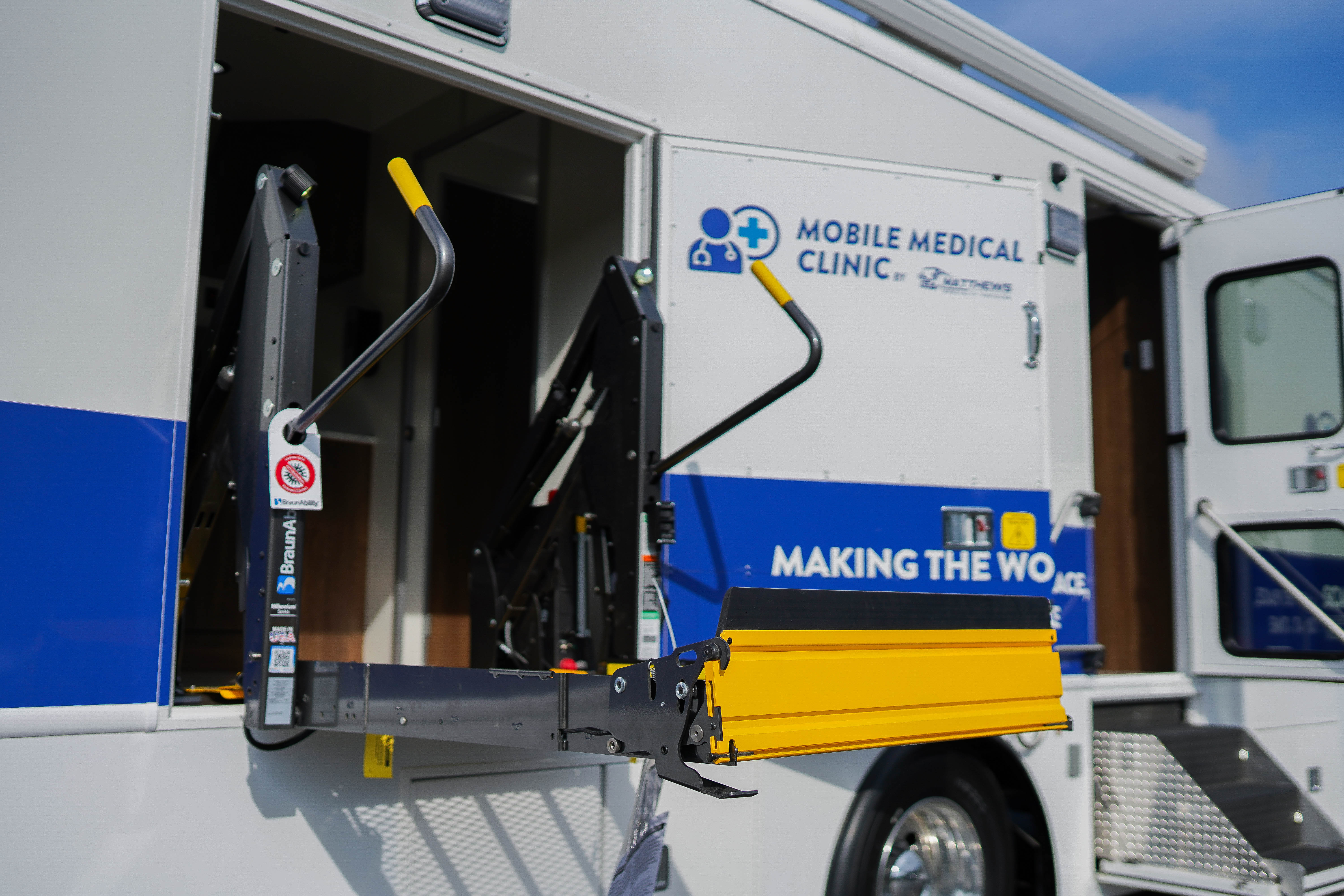
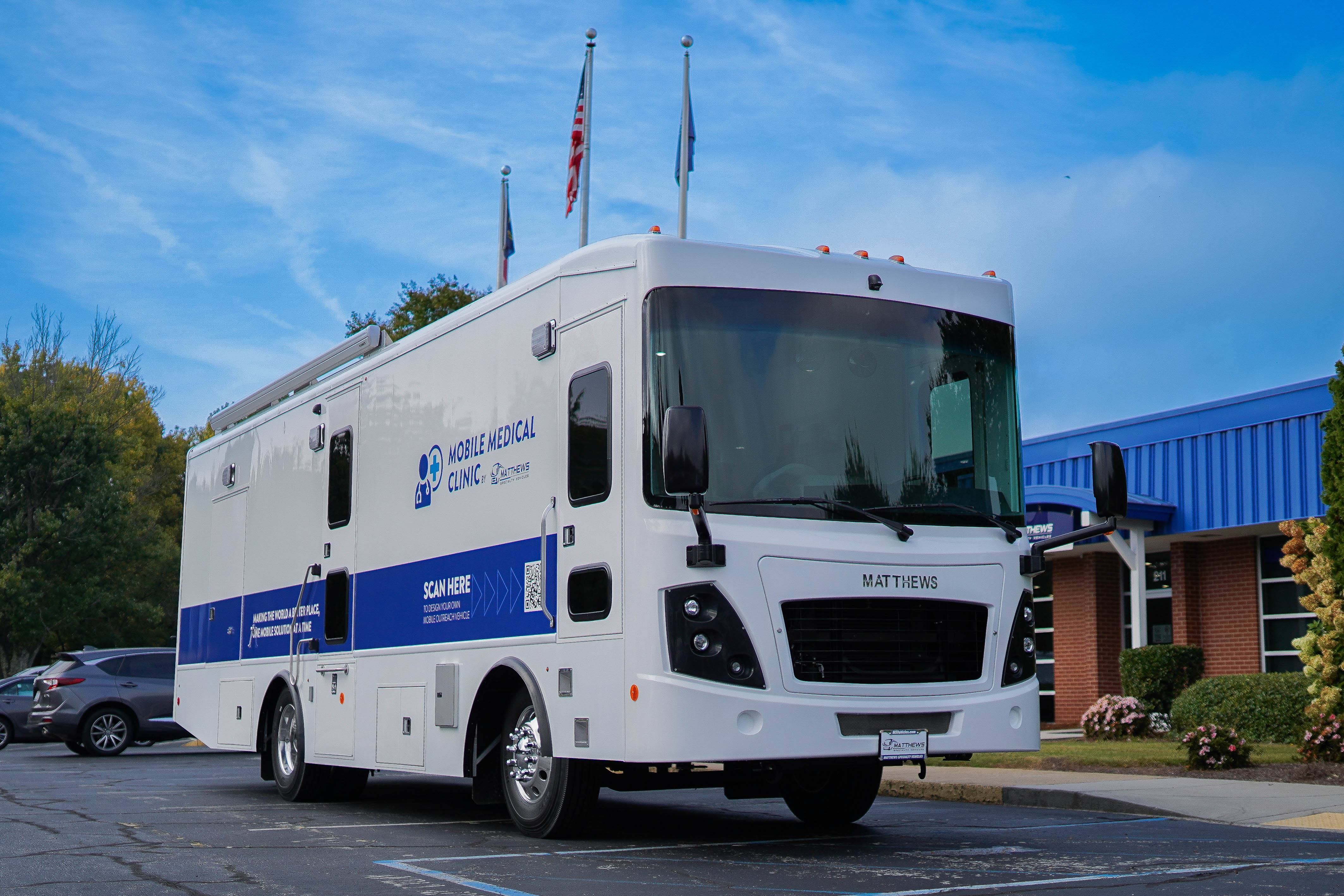
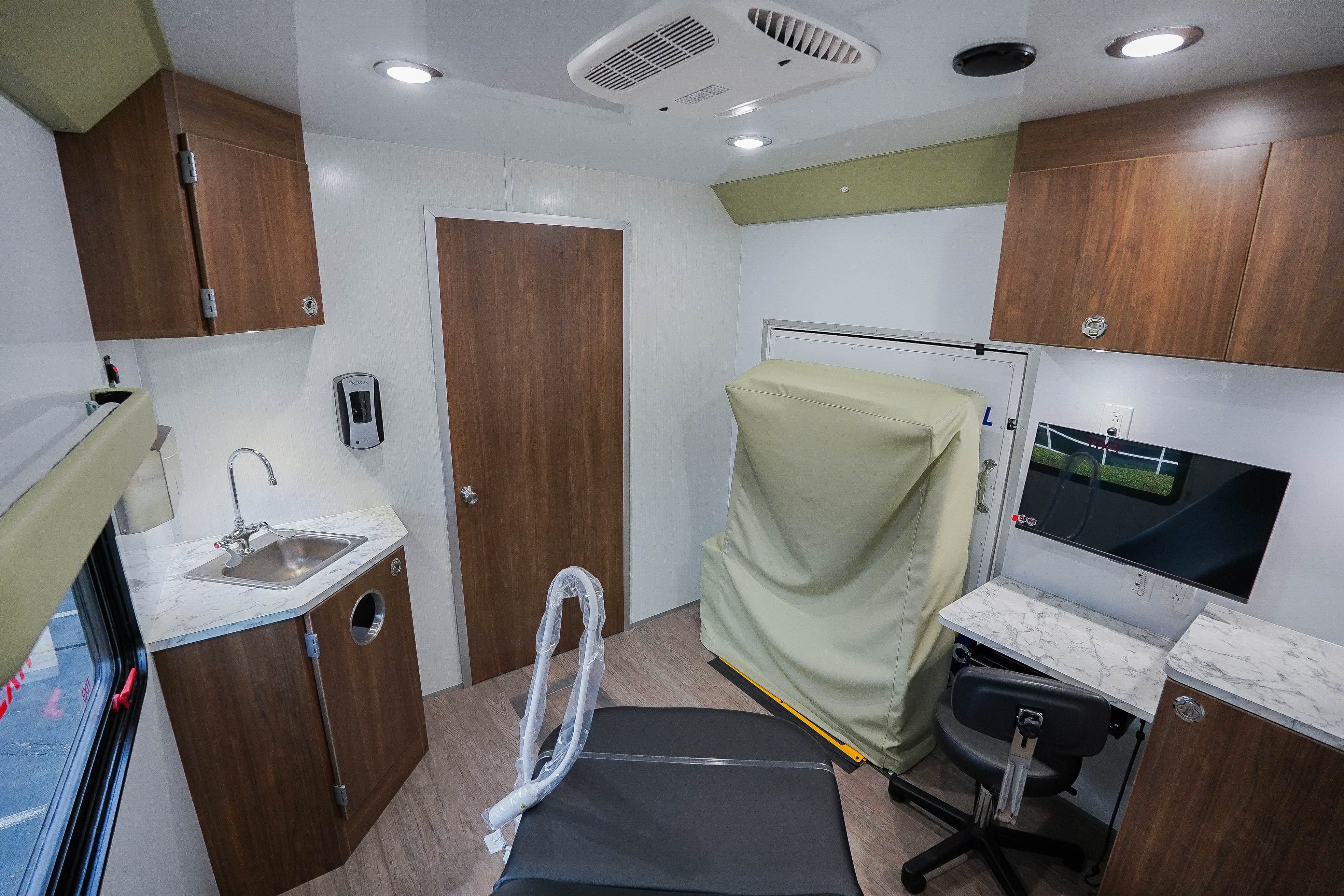
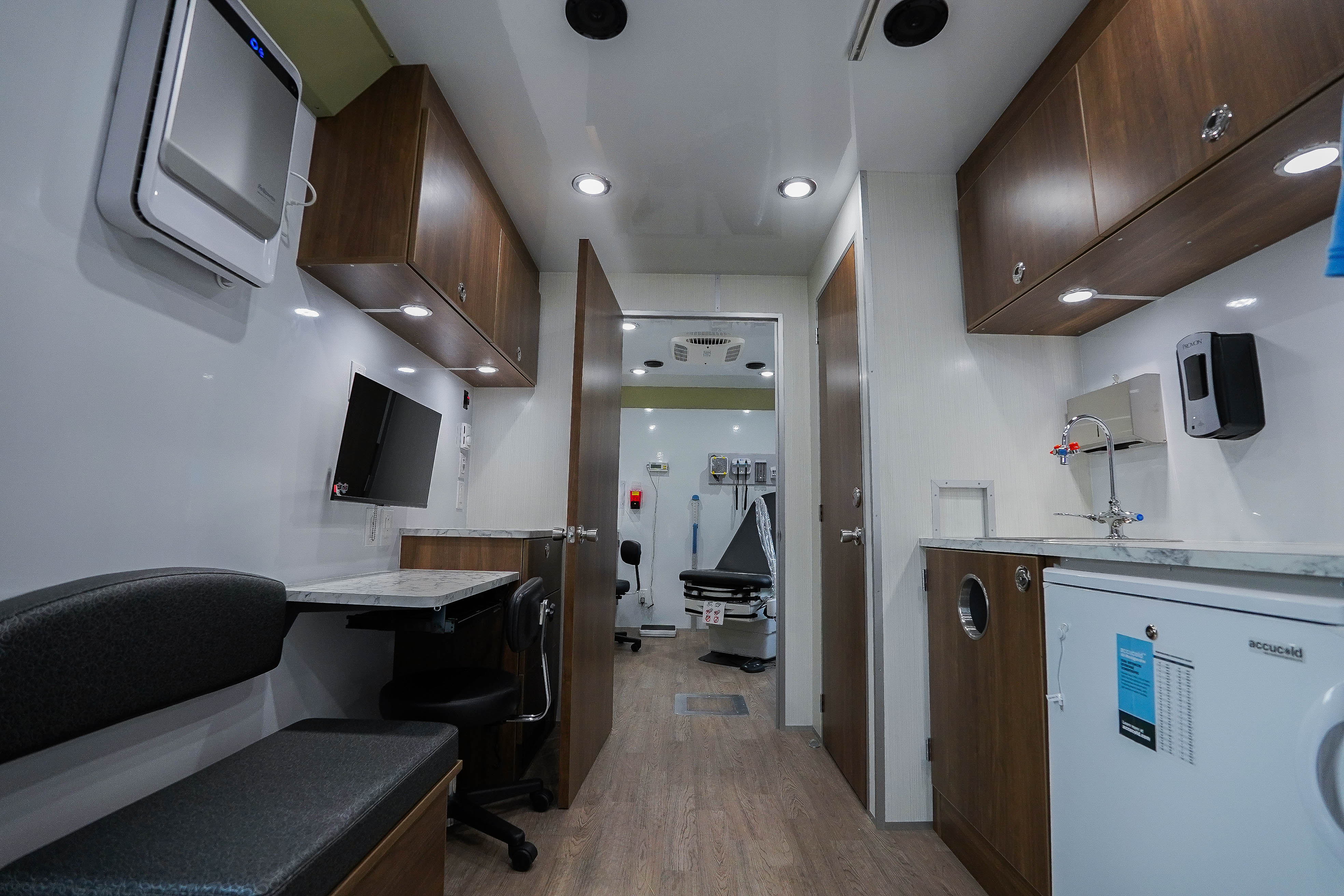
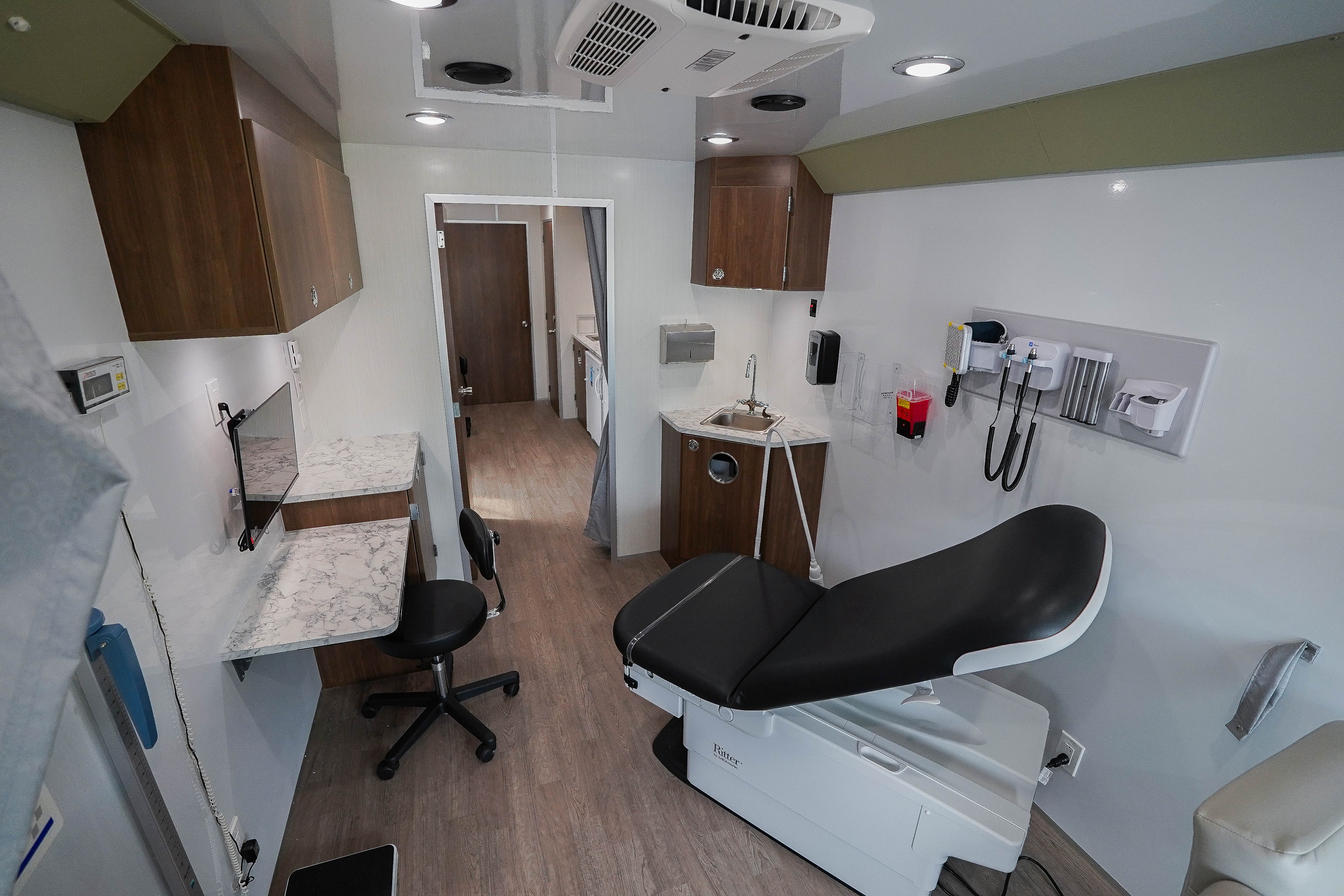
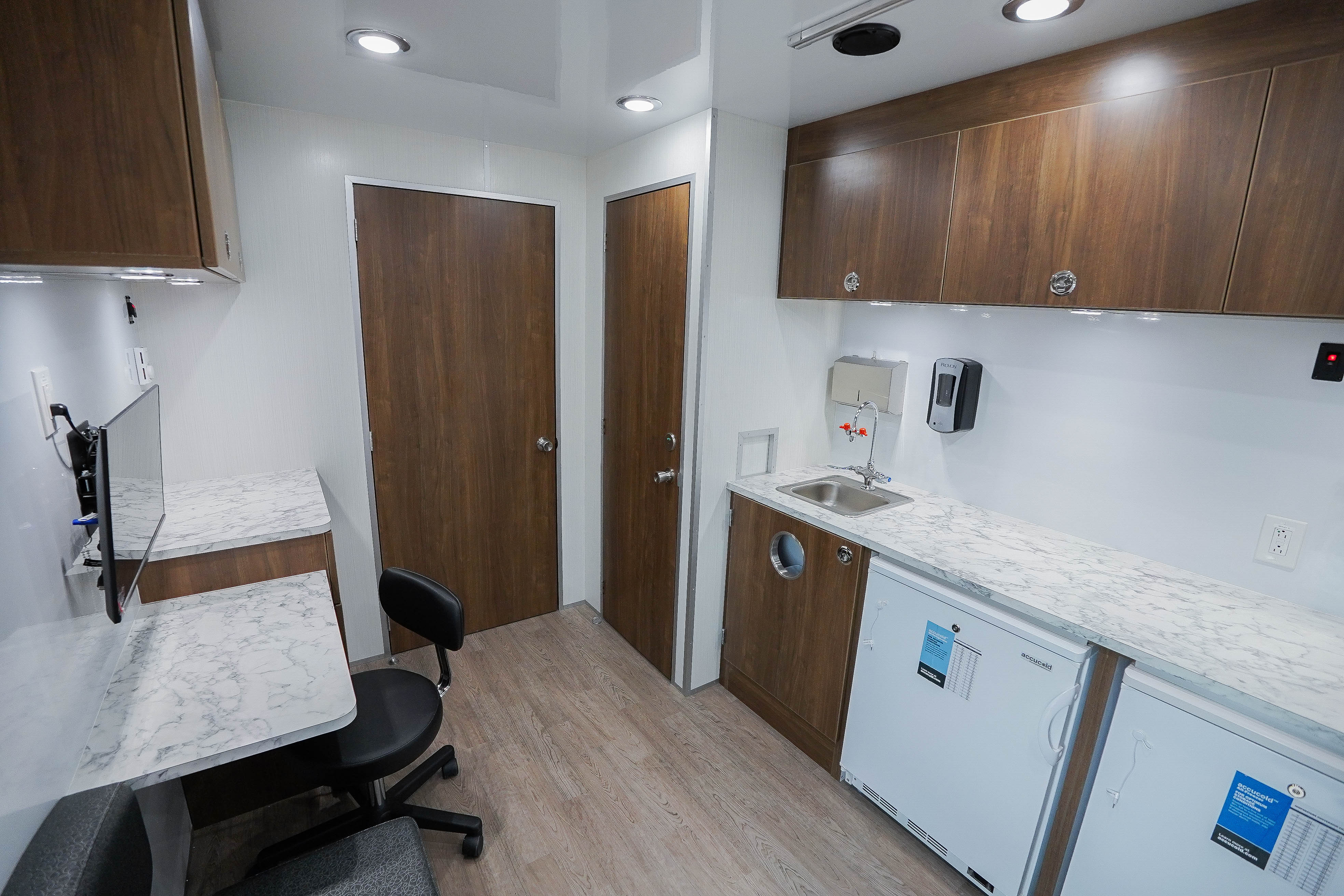
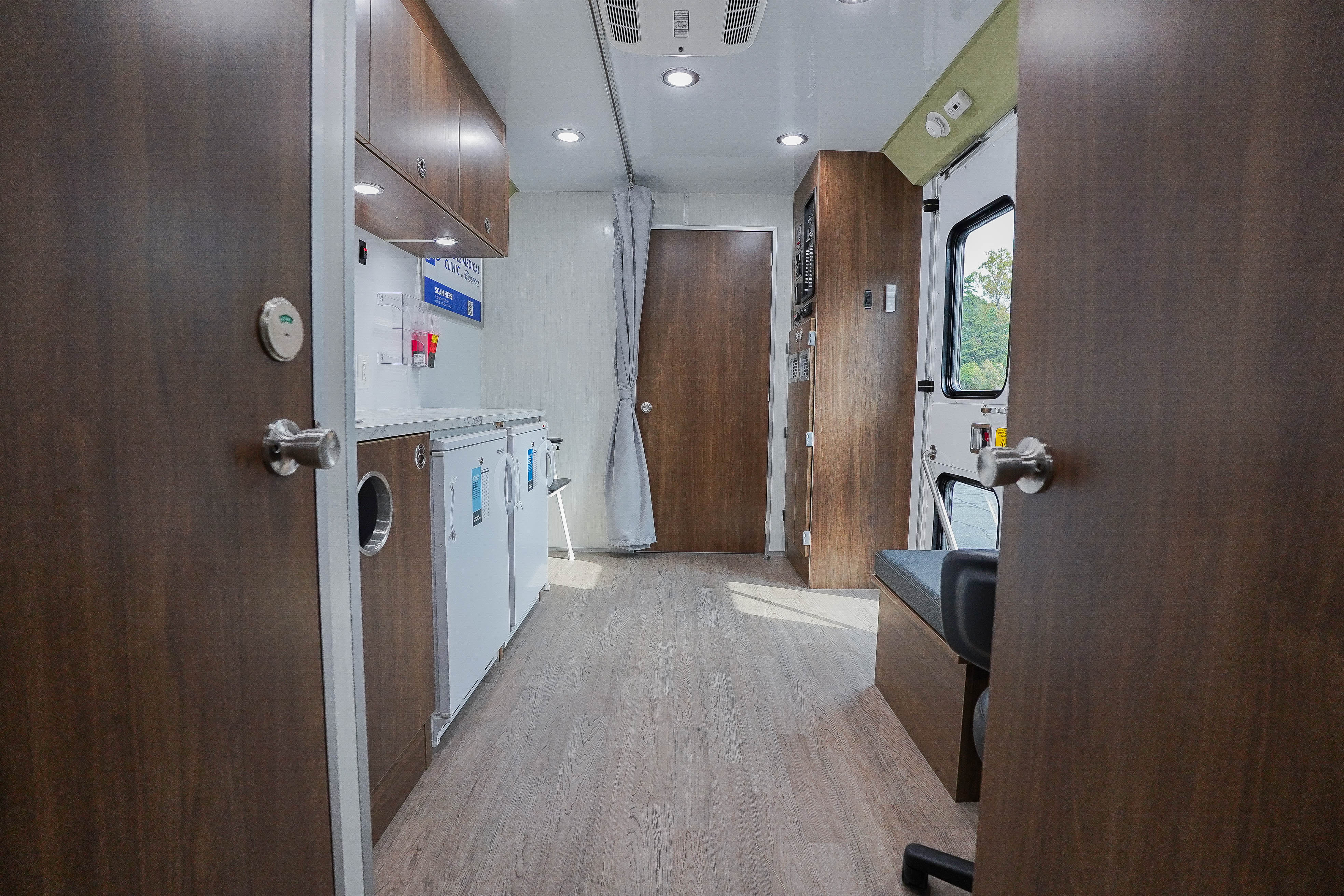
Photos courtesy of Matthews Specialty Vehicles. Pictures of the mobile healthcare unit purchased by Liberty Resources to expand care in Onondaga and Oswego counties.
Interested in learning more about our Mobile Healthcare Center?
Share your contact information with us and we will be in touch with updates and information.
SYRACUSE, NY — Liberty Resources has been awarded federal New Access Point funding through the Health Resources and Services Administration (HRSA), marking a significant milestone in the growth of its integrated healthcare services. The award transitions Liberty Resources from a Health Center Program Look-Alike to a federally funded Federally Qualified Health Center (FQHC) and will support the development of a new mobile healthcare unit serving communities in Onondaga and Oswego counties.
Liberty Resources was one of just four organizations in New York State and 158 nationwide selected to receive New Access Point funding in the latest federal award cycle.
“This milestone is the result of years of work by our teams to build and strengthen an integrated healthcare model that truly meets people where they are,” said Kelli Harris, Chief Executive Officer of Liberty Resources. “Becoming a federally funded FQHC gives us an important opportunity to build on that foundation, reach more people and continue expanding access to high-quality care in the communities we serve.”
As a result of the New Access Point award, the agency will develop a mobile healthcare center outfitted with two exam rooms, laboratory space, a restroom, and private meeting space. The mobile unit will bring medical and behavioral health services currently provided through Liberty Resources’ Integrated Health Centers in Syracuse and Fulton to individuals who may face barriers to accessing care such as transportation.
“Expanding access to care means going beyond the walls of our health centers,” said Amy Sargent, Associate Vice President of Primary Care and FQHC Project Director at Liberty Resources. “The mobile healthcare unit will allow us to bring services directly into the communities we serve, meet people where they are, and make it easier for people to get the care they need.”
Prior to receiving the New Access Point award, Liberty Resources operated as a Health Center Program Look-Alike, a designation for organizations that meet the same rigorous Health Center Program requirements as federally funded health centers but do not receive federal grant funding. The new award and designation as a federally funded FQHC provide Liberty Resources with additional resources to strengthen the sustainability of its health center services and further expand access to care.
Through its Integrated Health Centers in Syracuse and Fulton, Liberty Resources provides primary care, pediatric, and behavioral health services designed around the needs of the whole person. Services are available regardless of an individual’s ability to pay, with sliding fee discounts available to eligible patients.
Interested in learning more about our Mobile Healthcare Center?
Share your contact information with us and we will be in touch with updates and information.
What is a Federally Qualified Health Center?
Federally Qualified Health Centers (FQHCs) were established in 1965 as Neighborhood Health Centers to provide healthcare in communities with limited access. Originally a small program, today FQHCs serve more than 52 million people across the country. From rural communities to urban neighborhoods, FQHCs break down barriers to care by providing healthcare to patients regardless of their ability to pay.
The Reach & Impact of FQHCs
- More than 17,000 FQHC sites provide high-quality healthcare to 1 in 7 Americans
- Supported by more than 330,000 clinical and non-clinical staff across the country
- Provide care to 1 in 5 uninsured individuals and 1 in 3 people living in poverty
- Deliver mental health services to nearly 2.8 million patient annually